
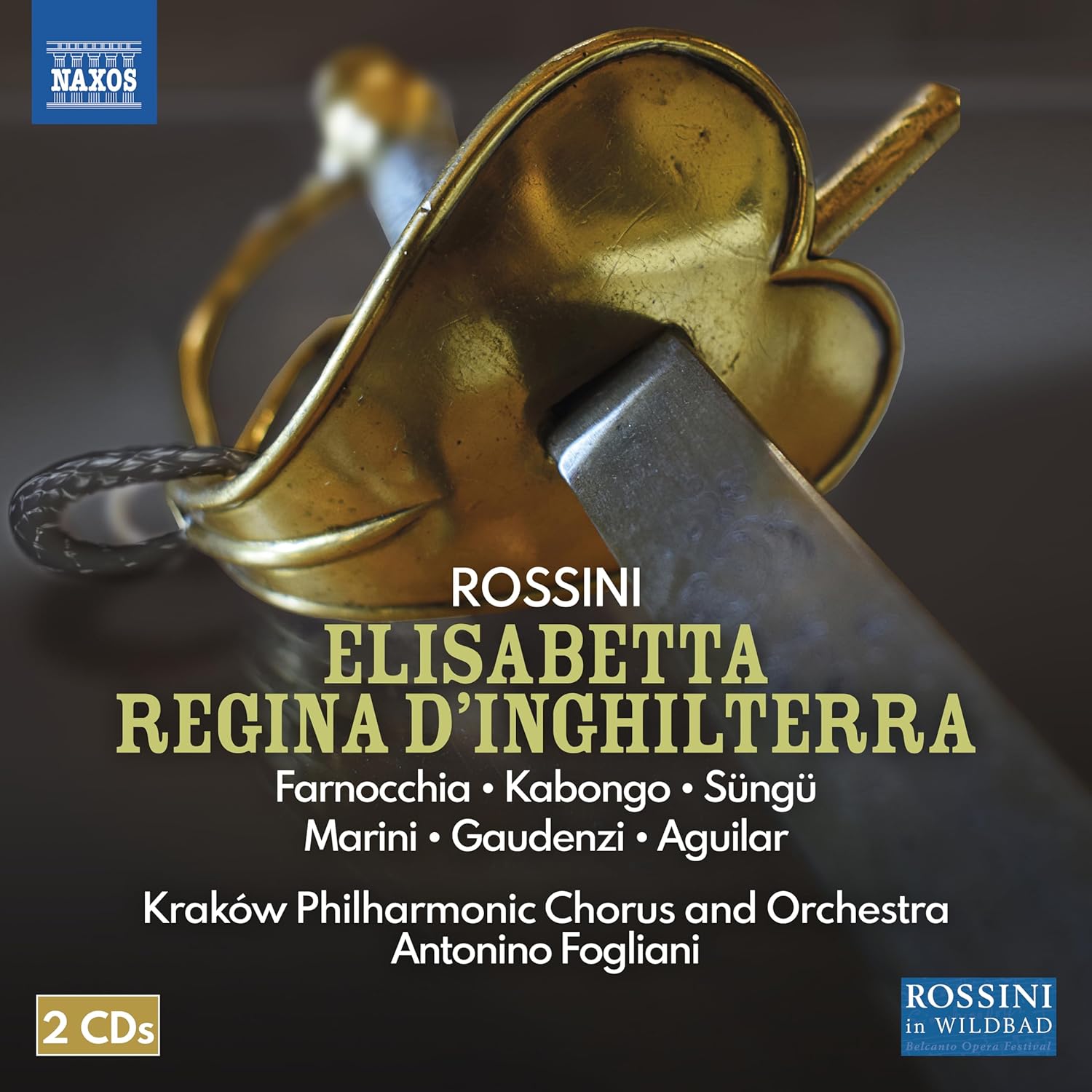
Premiered in 1815, Elisabetta, Regina d’Inghilterra was the first of nine operas Rossini wrote for the San Carlo, Naples. It is based on a play by Carlo Federice, which in turn had been based on a novel by Sophia Lee, called The Recess. Dealing with Elisabeth’s leniency in forgiving Leicester and his secret wife Matilde, it is highly probable that its subject was also meant to celebrate Ferdinand IV, who had recently returned from exile and his ‘leniency’ in not carrying out reprisals against his renegade subjects. At the premiere the roles of Elisabetta and Leicester were sung by Isabella Colbran and Andrea Nozzari, with the role of the villainous Norfolc (sic) going to Manuel Garcia, who would later go on to create the role of Lindoro in Il Barbiere di Siviglia. As is usual with Rossini, there were a lot of self-borrowings in the score. Much of it is from Sigismondo and some from Aureliano in Palmira, including the overture, which would eventually find it’s permanent home as the overture to Il Barbiere di Siviglia. Rosina’s Una voce poco fa in that opera is also a re-working of Elisabetta’s entrance aria.
The opera was a huge success at the time, but, like most of Rossini’s serious operas, fell out of the repertoire until the bel canto revival of the second half of the last century precipitated a spate of revivals. The present set derives from performances in 2021 in Kraków, Poland and at the Wildbad Rossini festival in Bad Wildbad. However much a rarity on stage, the opera is well represented in the catalogue. We have a 1976 Philips recording, featuring Montserrat Caballé and José Carreras, which was based on performances at the Aix-en-Provence festival and there is also a recording on Opera Rara, with Jennifer Larmore and Bruce Ford, a performance which is absolutely note-complete, though in fact only runs a few minutes longer than the Philips. I haven’t heard the Opera Rara set, nor a live one featuring Leyla Gencer, but I used to own the Philips set on LP and re-listened to some of it on Spotify before writing this review.
Unfortunately, this Naxos set is nothing to write home about. The Kraków Philharmonic Orchestra & Chorus can’t compare to the Ambrosian Singers and the London Symphony Orchestra and Antonio Fogliani whizzes through the score, as if he can’t wait to get it over with. Given what we hear on stage, one can hardly blame him. There is very little of tonal beauty or real vocal accomplishment to be heard. At no point do any of the soloists rival those on the Philips set, where Caballé is in fine voice and has all the grandeur the role of Elisabetta requires. She is in a completely different class from the efficient, but dull Serena Farnocchia, who plays Elisabetta on Naxos. Then on Philips we have the young Carreras. He may not get round the notes quite as easily as Patrick Kabongo, but there is the compensation of the sheer beauty of his voice at that time. Kabongo’s voice becomes thin and wiry as he goes above the stave. That said, Kabongo’s Leicester is at least acceptable but Mert Süngü’s Norfolc is not. I know the character is extremely unpleasant, but I’m not sure he needs to sound so awful. Ugo Benelli on Philips is much better.
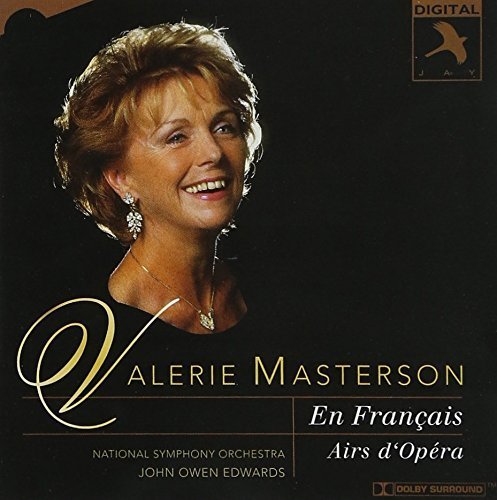
As Matilde, Philips have the lovely Valerie Masterson, who had played the role in Aix, her bright, light, lyric soprano contrasting well with Caballé’s richer more refulgent tones. You could never mistake one for the other, whereas the voices of Farnocchia and Veronica Marini, who plays Matilde on the Naxos set, aren’t particularly dissimilar.
The tepid applause, which occasionally reminds us that this is a live performance, sounds more dutiful than enthusiastic. One wonders why Naxos decided to issue it unless it were just to complete the Rossini Wildbad series. Unless you absolutely must have CDs, then the old Philips recording, now available as a download and warmly reviewed by Ralph Moore in his Rossini survey, is far preferable.
 Philip's Assortment Box