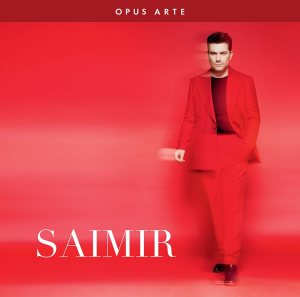
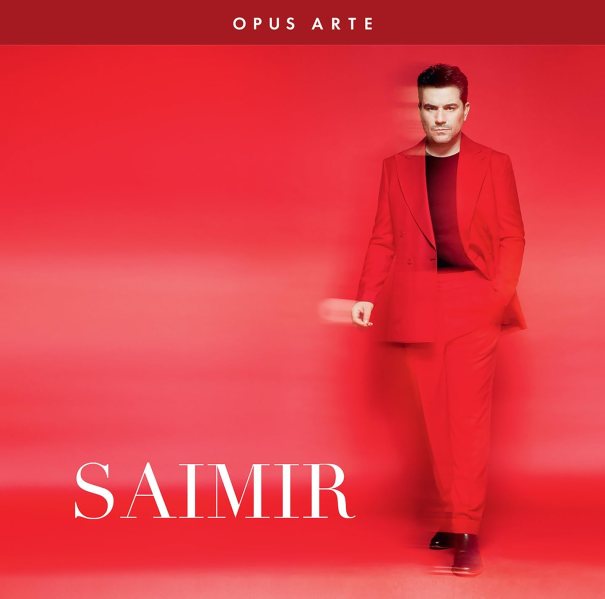
Saimir Pirgu sings operatic arias

Ten years ago I saw Saimir Pirgu as the Duke in the Royal Opera House’s David McVicar production of Rigoletto. Though he looked splendid and dashing, he was utterly charmless and I found his singing stiff and monochromatic. Since then, he seems to have ventured into more dramatic repertoire, and this recital of mostly verismo arias comes as a follow-up to a 2015 album of more lyrical fare, which I haven’t heard.

The present recital was very well received by my colleague, Göran Forsling in October of last year (review) but I’m afraid I can’t join in with his praise. For a start, Pirgu’s basic production is terribly ingolata, so much so that his singing was giving me a sore throat. There is no freedom to the sound and, when I compare him to the greats of the past, from Caruso to Björling to Pavarotti, all I hear is his struggle to get the sound out. There is no ring at the top and the middle voice is forced, resulting in a distressing vibrato. Indeed, he sounds a good deal older than his forty-two years.

Added to that, he doesn’t really do anything with the music and here his conductor, Antonio Fogliani, must take some of the blame, for his conducting is dull and prosaic. Most of the arias on the disc are well known but, with so many other versions out there, this just isn’t competitive.

I tried listening to the recital several times, thinking that maybe it had something to do with my mood, but, no, each time my reactions were the same. I just couldn’t get past Pirgu’s basic vocal production and I found it difficult to relax and enjoy the music. I hate to be so negative, but this is a disc for fans of Pirgu only, if indeed they exist.

Contents.

  1. Puccini: Manon Lescaut – “Indietro!… Guardate, pazzo son” 
    2. Puccini: Tosca – “E lucevan le stelle”
    3. Leoncavallo: Chatterton – “Non saria meglio… Tu sola a me” 
    4. Giordano: Andrea Chénier – “Colpito qui m’avete… Un dì all’azzurro spazio” 
    5. Puccini: Le villi – “Ecco la casa… Torna ai felici dì”
    6. Puccini: Manon Lescaut – “Donna non vidi mai” 
    7. Cilea: Adriana Lecouvreur – “L’anima ho stanca”
    8. Wagner: Lohengrin – “In fernem Land”
    9. Berlioz: La Damnation de Faust – “Nature immense”
    10. Tchaikovsky: Eugene Onegin – “Introduction”
    11. Tchaikovsky: Eugene Onegin – “Kuda, kuda, kuda vi udalilis”
    12. Puccini: Il tabarro –  “Hai ben ragione” 
    13. Bizet: Carmen – “La fleur que tu m’avais jetée”
    14. Puccini: Turandot – “Non piangere, Liù”
    15. Jakova: Skenderbeu – “Kjo zemra ime”
    16. Puccini: Tosca – “Recondita armonia” (with Vito Maria Brunetti (bass))
    17. Giordano: Andrea Chénier – “Come un bel dì di maggio” 
    18. Puccini: Madama Butterfly – “Addio, fiorito asil” 
    19. Giordano: Fedora – “Amor ti vieta”
    20. Sorozábal: La taberna del puerto – “No puede ser”
    21. Puccini: Turandot – “Nessun dorma!”


A list of my preferred opera recordings

I hesitate to call this a list of recommended opera recordings, because people’s tastes are so different, but it is a list of my preferred recordings and, as such, it is obviously influenced by my liking for certain artists. It is also derived from over 50 years of listening to and collecting opera recordings and includes recordings that are or were once available on LP and CD, because, despite the current trend for everything to be downloaded onto a computer, I still prefer to listen to CDs. In some cases I have included more than one recording of a piece, usually because I can’t decide which one I like best. I’m also pretty sure that, with a couple of exceptions. all my chosen recordings date from the LP era onwards.

A word about Wagner. I am not really a Wagnerite. I enjoy Wagner from time to time, but I find that, more than with other composers, the sound of the orchestra takes precedence for me, which is why all the recordings I have chosen are studio recordings in decent stereo sound, which thererore excludes the names of many great Wagnerians of the past, such as Flagstad, Leider, Melchior, Furtwängler etc.

No doubt many of my readers will disagree with some of my choices, but I think it’s a pretty sound list. Peruse at your leisure.

Barber: Vanessa – Steber, Elias, Resnik, Gedda, Tozzi; Mitropoulos

Bartók: Bluebeard’s Castle – Ludwig, Berry; Kertesz

Beethoven: Fidelio Dernesch, Donath, Vickers, Kéléman, Ridderbusch; Karajan

Bellini: I Capuleti e I Montecchi – Sills, Baker, Gedda, Herincx, Lloyd; Patané

Bellini: NormaCallas, Simionato, Del Monaco, Zaccaria; Votto La Scala 1955 (live) or Callas. Ludwig, Corelli, Zaccaria; Serafin (studio)

Bellini: Il PirataCallas, Ferraro, Ego; Rescigno New York 1959 (live) -or- Caballé, Martí, Cappuccili; Gavazzeni (studio)

Bellini: I PuritaniCallas, Di Stefano, Panerai, Rossi-Lemeni; Serafin

Bellini: La SonnambulaCallas, Valletti, Modesti; Bernstein la Scala 1955 (live) or Callas, Monti, Zaccaria; Votto/Cologne 1957 (live) or Callas, Monti, Zaccaria; Votto (studio)

Berlioz: Béatrice et Bénedict – Eda-Pierre, Baker, Watts, Tear, Allen, Lloyd, Bastin; Davis

Berlioz: Benvenuto Cellini – Eda-Pierre, Berbié, Gedda, Massard, Bastin, Soyer; Davis

Berlioz: La damnation de FaustVeasey, Gedda, Bastin, Van Allan; Davis

Berlioz: Les Troyens – Lindholm, Veasey, Vickers, Glossop; Davis

Bizet: CarmenCallas, Guiot, Gedda, Massard; Prêtre

Bizet: Les pêcheurs de perles – Cotrubas, Vanzo, Sarabia; Prêtre

Britten: Billy Budd – Langridge, Keenlyside, Tomlinson; Hickox

Britten: Gloriana – Barstow, Kenny, Jones, Langridge, Opie, Summers; Mackerras

Britten: A Midsummer Night’s Dream – Watson, Gomez, Jones, Bowman, Hall, Herford, Maxwell; Hickox

Britten: Peter Grimes – Watson, Pears, Pease; Britten and Harper, Vickers, Summers; Davis

Britten: The Rape of Lucretia – Harper, Baker, Pears, Drake, Luxon, Shirley-Quirk; Britten

Britten: The Turn of the Screw – Vyvyan, Cross, Pears, Mardikian; Britten

Charpentier: Louise – Cotrubas, Berbié, Domingo, Bacquier; Prêtre and Vallin, Lecouvreur, Thill, Pernet; Bigot (abridged)

Chausson: Le roi Arthus – Zylis-Gara, Winbergh, Quilico; Jordan

Cherubini: MedeaCallas, Carron, Berganza, Vickers, Zaccaria; Rescigno, Dallas 1958 (live) or- Callas, Nache, Barbieri, Penno, Modesti; Bernstein, La Scala 1953 (live). If studio/stereo is a must then Callas, Scotto, Pirazzini, Picchi, Modesti; Serafin

Cilea: Adriana Lecouvreur – Scotto, Obrasztsova, Domingo, Milnes; Levine

Debussy: Pelléas et Mélisande – Joachim, Cernay, Jansen, Etchverry, Cabanet; Désormiére (mono) and Von Stade, Denize, Stilwell, Van Dam, Raimondi; Karajan (stereo)

Délibes: Lakmé – Mesplé, Burles, Soyer; Lombard

Delius: A Village Romeo and Juliet – Field, Davies, Hampson; Mackerras

Donizetti: Anna BolenaCallas. Simionato, Raimondi, Rossi-Lemeni; Gavazzeni, La Scala 1957 (live) (Divina transfer, avoid Warner and EMI) It’s cut of course, but no other performance satisfies me.

Donizetti: Don Pasquale – Saraceni, Schipa, Poli, Badini; Sabajno (mono). If stereo is a must then Freni, Winbergh, Nucci; Bruscantini; Muti

Donizetti: L’Elisir d’amore – Cotrubas, Domingo, Wixell, Evans; Pritchard

Donizetti: La fille du régimentSutherland, Sinclair, Pavarotti, Malas; Bonynge

Donizetti: Lucia di LammermoorCallas. Di Stefano, Panerai, Zaccaria; Karajan, Berlin 1955 (live) and Callas, Tagliavini, Cappuccilli, Ladysz; Serafin (studio stereo/Pristine remaster).

Donizetti: Lucrezia Borgia – Caballé, Berbié, Vanzo, Paskalis; Perlea, New York 1965 (live) No studio recording.

Donizetti: Maria StuardaTinsley, Baker, Erwen, Garrard, Du Plessis; Mackerras, ENO 1973 (live in English) or Caballé, Verrett, Garaventa, Arié, Fioravanti; Cillario, La Scala 1971 (live). No studio recording.

Donizetti: Roberto Devereux – Caballé, Marsee, Carreras, Sardinero, Furlanetto; Rudel, Aix-en-Provence, 1977 (live)

Dvořák: Rusalka – Fleming, Zajick, Heppner, Havlata; Mackerras

Enescu: Oedipe – Hendricks, Lipovšek, Gedda, Van Dam; Foster

Fauré: Pénélope – Norman, Taillon, Vanzo, Huttenlocher, Van Dam; Dutoit

Giordano: Andrea Chenier – Scotto, Domingo, Milnes; Levine

Gluck: Orfeo – Baker, Speiser, Gale; Leppard

Gounod: Faust – De Los Angeles, Gorr, Gedda, Blanc, Christoff; Cluytens 1958 (stereo)

Gounod: Roméo et JulietteGheorghiu, Alagna, Keenlyside, Van Dam, Fondary; Plasson

Handel: Hercules – Dawson, Otter, Daniels, Croft, Saks: Minkowski

Handel: Giulio Cesare – Masterson, Baker, Jones, Walker, Bowman, Tomlinson: Mackerras (in English)

Handel: Rinaldo – Organasova, Bartoli, Fink, Daniels, Taylor, Finley; Hogwood

Handel: Theodora – Upshaw, Hunt Lieberson, Daniels, Croft: Christie

Humperdinck: Hänsel und Gretel – Schwarzkopf. Grümmer, Von Islovay, Schürhoff, Metternich: Karajan

Janáček: The Cunning Little Vixen – Popp, Randova, Jedlicka; Mackerras

Janáček: Jenůfa, – Söderström, Popp, Randova, Ochmann, Dvorsky; Mackerras

Janáček: Kat’a Kabanova – Söderström, Kniplova, Dvorsky; Mackerras

Janáček: Vĕc Makropulos – Söderström, Dvorsky, Blachut; Mackerras

Korngold; Die tote Stadt – Neblett, Kollo, Prey, Luxon; Leinsdorf

Lehár: Das Land des Lächelns – Schwarzkopf, Loose, Gedda, Kunz: Ackermann

Lehár: Die lustige Witwe Schwarzkopf, Steffek, Gedda, Wächter, Knapp; von Matačić

Leoncavallo: PagliacciCallas, Di Stefano, Monti, Gobbi, Panerai; Serafin

Mascagni: L’Amico Fritz – Freni, Pavarotti, Sardinero; Gavazzeni

Mascagni: Cavalleria RusticanaCallas, Di Stefano, Panerai; Serafin

Massenet: Cendrillon – Welting, Von Stade, Berbié,  Gedda, Bastin; Rudel

Massenet: ManonDe Los Angeles, Legay, Dens; Monteux

Massenet: Thaîs – Fleming, Sabbatini, Hampson; Abel

Massenet: Werther – Gheorghiu, Pétibon, Alagna, Hampson; Pappano or Von Stade, Buchanan, Carreras, Allen; Davis and Vallin, Féraldy, Thill, Rogue; Cohen

Motemezzi: L’Amore Dei Tre Re – Moffo, Domingo, Elvira. Siepi; Santi

Monteverdi: L’incoronazione di Poppea – Galli, Meijer, Marmeli; Cavina

Monteverdi: L’Orfeo – Cioffi, Gens, Dessay, Bostridge; Haîm

Mozart: La Clemenza di Tito – Baker, Popp, Minton, Von Stade, Burrows; Davis

Mozart: Cosi fan TutteSchwarzkopf, Steffek, Ludwig, Kraus, Taddei, Berry; Böhm

Mozart; Don Giovanni – Sutherland, Schwarzkopf, Sciutti, Alva, Wächter, Taddei, Cappuccilli, Frick; Giulini

Mozart: Die Entführung aus dem Serail – Köth. Schädle, Wunderlich, Lenz, Böhme; Jochum

Mozart: Le Nozze di Figaro – Schwarzkopf, Moffo, Cossotto, Taddei, Wächter, Cappucilli; Giulini

Mozart: Die ZauberfloteLear, Peters, Wunderlich, Fischer-Dieskau, Crass; Böhm or for HIP – Mannion, Dessay, Blochwitz, Scharinger, Hagen; Christie

Mussorgsky: Boris Godunov – Borodina, Vaneev, Galouzine; Gergiev

Offenbach: Les Contes D’Hoffman – Sutherland, Tourangeau, Domingo, Bacquier; Bonynge (studio) or Malfitano, Murray, Domingo, Van Dam; Levine (live)

Offenbach: Orphée aux Enfers – Mesplé, Rhodes, Sénéchal, Burles, Trempont; Plasson

Offenbach: La vie Parisienne – Mesplé, Crespin, Sénéchal, Bénoit, Trempont; Plasson

Ponchielli: La Gioconda Callas, Barbieri, Amadini, Poggi, Silveri, Neri: Votto (mono) or Callas, Cossotto, Companeez, Ferraro, Cappuccilli, Vinco: Votto (stereo)

Poulenc: Dialogues des Carmélites – Duval, Crespin, Berton. Scharley, Gorr, Depraz, Finel; Dervaux

Puccini: La Boheme – De Los Angeles, Amara, Björling, Merrill, Tozzi: Beecham or Callas, Moffo, Di Stefano, Panerai, Zaccaria: Votto

Puccini: La Fanciulla del WestNeblett, Domngo, Milnes; Mehta

Puccini: Gianni Schicchi De Los Angeles, Del Monte, Gobbi: Santini

Puccini: Madama Butterfly Callas, Danieli, Gedda, Borriello; Karajan or De Los Angeles, Canali, Di Stefano, Gobbi: Gavazzeni or Scotto, Di Stasio, Bergonzi, Panerai: Barbirolli

Puccini: Manon Lescaut Callas, Di Stefano, Fioravanti: Serafin

Puccini: La Rondine Gheorghiu, Mula, Alagna, Mateuzzi, Rinaldi: Pappano

Puccini: Suor Angelica De Los Angeles, Marimpietri, Barbieri: Serafin or Scotto, Cotrubas, Horne; Maazel

Puccini: Il Tabarro Mas, Prevedi, Gobbi: Bellezza

Puccini: Tosca Callas, Di Stefano, Gobbi: De Sabata

Puccini: Turandot Callas, Schwarzkopf, Fernandi, Zaccaria: Serafin (mono) or Sutherland, Caballé, Pavarotti, Ghiaurov: Mehta (stereo)

Purcell: Dido and Aeneas – Clark, Baker, Sinclair, Herincx; Lewis

Ravel: L’enfant et les sortileges –  Ogéas, Gilma, Collard, Berbié, Sénéchal, Rehfuss, Maurane; Maazel

Ravel: L’heure espahnole – Berbié, Sénéchal, Gireaudeau, Bacquier, Van Dam; Maazel

Rossini: Armida Callas, Filippeschi, Albanese, Raimondi; Serafin (in atrocious sound, but essential for some of the most incredible dramatic coloratura singing you will ever hear)

Rossini: Il Barbiere di Siviglia Callas, Alva, Gobbi, Ollendorff, Zaccaria: Galliera

Rossini: La Cenerentola – Baltsa, Araiza, Alaimo, Raimondi; Marriner

Rossini: Le comte Ory – Barabas, Sinclair, Oncina, Wallace: Gui

Rossini: Elisabetta, Regina, d’Inghilterra – Caballé, Masterson, Carreras, Benelli: Masini

Rossini: Guillaume Tell – Caballé, Mesplé, Taillon, Gedda, Cassinelli, Bacquier, Howell, Kovats; Gardelli

Rossini: L’Italiana in Algeri – Pace, Baltsa, Lopardo, Corbelli, Dara, Raimondi; Abbado

Rossini: Semiramide – Penda, Pizzolato, Osborne, Regazzo: Fogliani (complete) or Sutherland, Horne, Serge, Malas; Bonynge (abridged)

Rossini: Il Turco in Italia – Callas, Gardino, Gedda, Stabile, Calabrese, Rossi-Lemeni; Gavazzeni

Saint-Saens: Samson et Dalila – Baltsa, Carreras, Summers, Estes, Burchaladze; Davis

Shostakovich: Lady Macbeth of Mtsensk – Vishnevskaya, Gedda, Petkov; Rostropovich

J Strauss: Die FledermausSchwarzkopf, Streich, Gedda, Krebs, Christ, Kunz; Dönch; Karajan

J Strauss: Eine Nacht in Venedig – Schwarzkopf, Loose, Gedda, Kunz; Ackermann

J Strauss: Wiener Blut – Schwarzkopf, Köth, Loose, Gedda, Kunz; Ackermann

J Strauss: Der Zigeunerbaron – Schwarzkopf, Köth, Burgsthaler-Schuster, Gedda, Prey, Kunz: Ackermann

R Strauss: Arabella Varady, Donath, Dallapozza, Fischer-Dieskau; Sawallisch and Schwarzkopf, Felbermeyer, Gedda, Metternich; von Matacic (highlights)

R Strauss: Ariadne auf NaxosSchwarzkopf, Streich, Seefried, Schock; Karajan

R Strauss: Capriccio Schwarzkopf, Ludwig, Gedda, Wächter, Fischer-Dieskau, Hotter; Sawallisch

R Strauss: Elektra – Marton, Studer, Lipovsek, Winkler, Weikl; Sawallisch

R. Strauss: Die Frau ohne Schatten – Studer, Vintzing, Schwarz, Kollo, Muff: Sawallisch

R Strauss: Der Rosenkavalier – Schwarzkopf, Stich-Randall, Ludwig Wächter, Edelmann; Karajan

R Strauss: Salome – Welitsch, Thorborg, Jagel, Janssen; Reiner (live mono) and Behrens, Baltsa, Schmitt-Walter, Van Dam; Karajan (studio stereo)

Szymanowski: Król Roger – Szmytka, Langridge, Hampson; Rattle

Tchaikovsky: Eugene OneginVishnevskaya, Avdeyeva, Lemeshev, Belov, Petrov; Khaikin

Tchaikovsky: Mazeppa – Gorchakova, Dyadkova, Larin, Leiferkus, Kotcherga; Järvi

Tchaikovsky: Queen of Spades – Guleghina, Borodina, Arkhipova, Grigorian, Chernov, Putilin; Gergiev

Verdi: AidaCallas, Dominguez, Del Monaco, Taddei; de Fabritiis (live) and Callas, Barbieri, Tucker, Gobbi; Serafin (studio mono) or Caballé, Cossotto, Domingo, Cappuccilli; Muti (studio stereo) or Freni, Baltsa, Carreras, Cappuccilli; Karajan (studio stereo)

Verdi: Alzira – Cotrubas, Araiza, Bruson; Gardelli

Verdi: Aroldo – Caballé, Cecchele, Pons, Lebherz; Queler

Verdi: Attila – Deutekom, Bergonzi, Milnes, Raimondi; Gardelli

Verdi: Un Ballo in Maschera Callas, Barbieri, Di Stefano, Gobbi; Votto (studio) and Callas, Simionato, Di Stefano, Bastianini; Gavazzeni (live)

Verdi: La Battaglia di Legnano – Ricciarelli, Carreras, Manuguerra, Ghiuselev; Gardelli

Verdi: Il Corsaro – Caballé, Norman, Carreras, Mastremei; Gardelli

Verdi: Don Carlo Freni, Baltsa, Carreras, Cappuciolli, Ghiaurov, Raimondi; Karajan (4 acts in Italian), Caballé, Verrett, Domingo, Milnes, Raimondi, Giaotti; Giulini (5 acts in Italian) and Ricciarelli, Valentini-Terrani, Domingo, Nucci, Raimondi, Ghiaurov; Abbado (5 acts in French)

Verdi: I due Foscari – Ricciarelli, Carreras, Cappuccilli, Ramey; Gardelli

Verdi: Ernani – Price, Bergonzi, Sereni, Flagello; Schipeers

Verdi: Falstaff – Schwarzkopf, Moffo, Merriman, Barbieri, Alva, Panerai, Gobbi; Zaccaria; Karajan

Verdi: La Forza del Destino Callas, Nicolai, Tucker, Tagliabue, Rossi-Lemeni; Serafin

Verdi: Un Giorno di Regno Pagliughi, Cozzi, Oncina, Bruscantini, Capecchi, Dalmangas; Simonetto

Verdi: Giovanna d’Arco – Caballé, Domingo, Milnes; Levine

Verdi: I Lombardi – Sass, Lamberti, Di Cesare, Kovats; Gardelli

Verdi: Luisa Miller – Moffo, Verrett, Bergonzi, MacNeil, Tozzi, Flagello; Cleva or Caballé, Reynolds, Pavarotti, Milnes, Giaotti, Van Allan; Maag or Ricciarelli, Obraztsova, Domingo, Bruson, Howell, Ganzarolli; Maazel

Verdi; Macbeth Callas, Penno, Mascherini, Tajo; De Sabata (live) and Verrett, Domingo, Cappuccilli, Ghiurov; Abbado (studio)

Verdi: I Masnadiert – Caballé, Bergonzi, Cappucilli, Raimondi; Gardelli

Verdi; Nabucco – Souliotis, Carral, Prevedi, Gobbi, Cava; Gardelli and (essential supplement, but awful sound) Callas, Pini, Sinimbergi, Bechi, Neroni; Gui

Verdi: Otello – Rysanek, Vickers, Gobbi; Serafin and Scotto, Domingo, Milnes; Levine

Verdi: Rigoletto Callas, Lazzarini, di Stefano, Gobbi, Zaccaria; Serafin

Verdi: Simon Boccanegra – Freni, Carreras, Cappucilli, Ghiaurov, Van Dam; Abbado and De Los Angeles, Campora, Gobbi, Christoff, Monachesi; Santini

Verdi: Stiffelio – Sass, Carreras, Manugeurra, Ganzarolli; Gardelli

Verdi; La Traviata Callas, Valletti, Zanasi; Rescigno, Covent Garden 1958 (live) and Cotrubas, Domingo, Milnes; Kleiber (istereo studio)

Verdi: Il Trovatore – Callas, Barbieri, Di Stefano, Panerai, Zaccaria; Karajan

Verdi: I Vespri Siciliani – Callas, Kokolis-Bardi, Mascherini, Christoff; Kleiber (live) and Arroyo, Domingo, Milnes, Raimondi; Levine

Wagner: Der Fliegende Holländer – Silja, Kozub, Unger, Adam, Talvela; Klemperer or Schech, Schock, Wunderlich, Fischer-Dieskau; Konwitschny

Wagner: Lohengrin – Grümmer, Ludwig, Thomas, Fischer-Dieskau, Frick; Kempe

Wagner: Die Meistersinger von Nürnberg – Janowitz, Fassbänder, Konya, Unger, Stewart, Hemsley, Crass; Kubelik

Wagner: Parsifal – Vejzovic, Hoffmann, Nimsgern, Van Dam, Moll; Karajan

Wagner: Der Ring des Nibelungen – Crespin, Dernesch, Janowitz, Veasey, Ludwig, Dominguez, Stolze, Vickers, Stewart, Brilioth, Fischer-Dieskau, Stewart, Kéeléman, Ridderbusch, Talvela; Karajan

Wagner: Tannhäuser – Dernesch, Ludwig, Kollo, Braun, Sotin; Solti

Wagner: Tristan und Isolde – Dernesch, Ludwig, Vickers, Berry, Ridderbusch; Karajan and Gray, Wilkens, Mitchinson, Joll, Howell; Goodall

Weber: Der Freischutz – Grümmer, Otto, Schock, Prey, Kohn, Frick; Keilberth
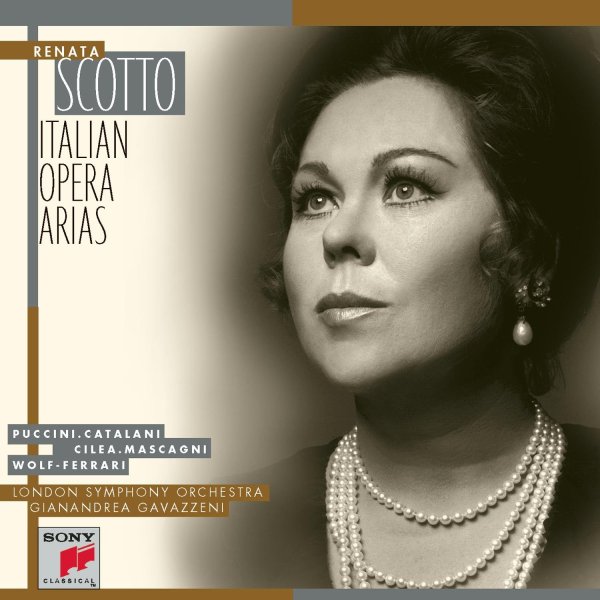
Renata Scotto – Italian Opera Arias


The majority of this disc is taken up with Scotto’s first recital for CBS, recorded in 1974, a recording that might be considered the one which spearheaded the second stage of her career, when she became a mainstay of the Metropolitan Opera in New York. Having been absent from the catalogues for some time, an intense recording schedule followed. There would be another recital (of Verdi arias) for CBS, and throughout the seventies and early eighties she features on many complete opera recordings for CBS, EMI and RCA, often alongside Domingo, with whom she also recorded a recital of duets.

Scotto’s voice always had a slight tang to it. Admirably clean, it would never charm with the full rich tones of a Caballé, a Moffo or a Te Kanawa. The top of the voice, even in her earliest recordings, could glare and it was never the most comfortable part of her range. Nor was it ever a sensual voice, though she could sound sensual enough if necessary (not the same thing), but her command of line, impeccable diction and range of colour are most attractive. She may not quite ravish the ear in the high lying phrases of, for instance, Ch’il bel sogno di Doretta from La Rondine as does Te Kanawa in the famous recording which was used for the movie of A Room with a View, but she shades the line most beautifully and her control of her pianissimo is quite gorgeous. She characterises well too, so that each of these verismo heroines emerge as quite different characters. Occasionally intellect gets in the way and the interpretations can sound too studied, as they never do with Callas, but it would be true to say that, though she has absorbed the lessons of her predecessor in some of this material, she never copies her. Her interpretations are all her own.

In the 1974 items she is wonderfully supported by the London Symphony Orchestra under Gianandrea Gavazzeni and it is good to have some less well known items such as the Mascagni arias and the aria from Le Villi, as it is to have the excerpts from the complete recording of Wolf-Ferrari’s Il segreto di Susanna and Puccini’s Edgar. Her Butterfly is better served by the Barbirolli recording and the duet with Obraztsova from Adrianna Lecouvreur makes very little sense out of context.

Nonetheless one of Scotto’s best recordings, and one that is worth returning to quite often.

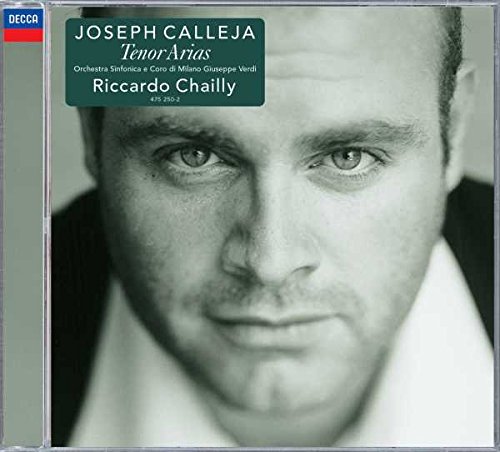
Joseph Calleja – Tenor Arias

51cklkxuoyl

This disc was recorded back in 2003, when Joseph Calleja was a virtually unknown twenty-six year old, and on the threshhold of his career. At that time, the voice was a light lyric tenor with a distinctive fast vibrato, more akin to the sound of tenors like De Lucia and Bonci than what we have become used to since.

Repertoire on the disc is judicially chosen, and I am very surprised to see that in his most recent disc of Verdi arias, he tackles music for Otello, Manrico and Radames (though I don’t think he has sung any of these roles on stage yet). Listening to the performances on this disc, one wouldn’t suspect for a moment that the voice would develop to embrace that repertoire. So far he has taken his career slowly and I do hope he doesn’t push himself too far.

But back to the recital disc in question, and I must say I find it very satisfying. Far from the can belto of so many tenors, there is lighness and grace to his singing, and he refreshingly brings as much attention to recitative as he does to an aria. Take the opening piece, the recitative to Alfredo’s Dei miei bollenti spiriti, which brims with joyful high spirits, softening with a touch of intimacy at Qui presso a lei. The aria itself is sung with a nice buoyancy and affectionate phrasing, switching to a more propulsive manner for the cabeltta.

The Macbeth aria is sung with a deep sense of melancholy, whilst the Duke is all charm and insouciance, though the top D he attempts is a little insecure. Nemorino’s Quanto e bella is delivered with a nice winsome charm, and Edgardo’s final scene is suitably tragic.

I’m not sure the aria from Adrianna Lecouvreur was a good choice for him, as it seems to cry out for a beefier sound. Nevertheless his restraint is most welcome, and it is good to be free of all those sobs and aspirates that used to pass for emotion in some Italian tenors of an earlier generation

In all Riccardo Chailly offers impeccable support, and it is good that scenes are given complete with chorus and interjections from other singers (Linda Easley as Annina and Giovanni Battista Parodi as Raimondo).

All in all a very successful debut recital, and it is good to know that Calleja is still active today, largely fulfilling the promise he showed in this one.

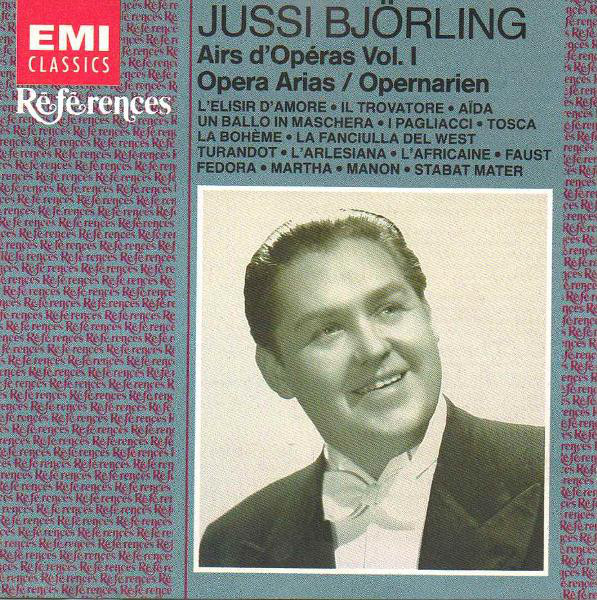
Jussi Björling – A collection of Swedish 78s.

These two CDs gather together most of the 78s the young Björling made in his native Sweden between 1933 and 1949, the earliest made when he was a budding tenor of twenty-two.

Most are vocal gems, but one or two (the rather loud and penny plain Je crois entendre encore, and the unpoetic duet from La Boheme with Anna- Lisa Björling on the second disc, for instance) are less than great.

The voice itself was a magnificent one, no doubt about it, with a silvery purity throughout its range, the high notes free and easy; just listen to his joyfully ebullient 1938 performance of Offenbach’s Au mont Ida from La belle Hélène, sung in Swedish, but with terrific swagger, the top notes flying out like lasers. From a few years ealier we have a plaintively sensitive performance of Valdimir’s Cavatina from Borodin’s Prince Igor, the legato line beautifully held, his mezza voce finely spun out. Also from 1938 we have a thrilling performance of the Cujus animam from Rossini’s Stabat mater, with a free and easy top D flat at the end, and it is prinicpall for Italian and French opera that Bjørling will be remembered and there are plenty of examples here of his wonderfully musical performances in that genre.

We find him ideal in Verdi, Donizetti and Puccini alike, in Myerbeer, in Massenet and in Gounod (a glorious rendering of Faust’s Salut, demeure). Some regret the absence of a true Italianate tone in the Italian items, but he will never resort to sobs and aspirates to express emotion, and, personally, I find his comparative restraint very attractive. It is true, he is not always imaginative with his phrasing, and nowhere will you get the kind of psychological introspection you would hear in a performance by someone like Vickers, but his singing is always musical, and of course there is a great deal of pleasure to be had from the voice itself, which Italianate or not, is a thing of great beauty.

Some of the very best of these 78 recordings are included on Volume 1, stand out items for me being the aforementioned Faust aria, his wonderfully musical and sensitive Ah si, ben mio from Il Ttovatore, and his poetic, but thrilling version of Nessun dorma from Turandot.  There is also plenty to treasure in Volume 2, which includes the Offenbach and Borodin, but also a sensitvely prayerful  Ingemisco from the Verdi Requiem, Des Grieux’s lovely Dream from Manon sung with liquid, honeyed tone (his ardent Ah, fuyez is on the first disc), and his  poetic Cielo e mar, from La Gioconda.

The second disc finishes with a couple of unexpected examples of his work in Lieder, a gorgeously lyrical Beethoven Adelaide, and a beautifully restrained and rapt account of Strauss’s Morgen.

Anyone who loves the tenor voice and gloriously musical and sensitive singing (not always the same thing) should have these recordings in their collections.

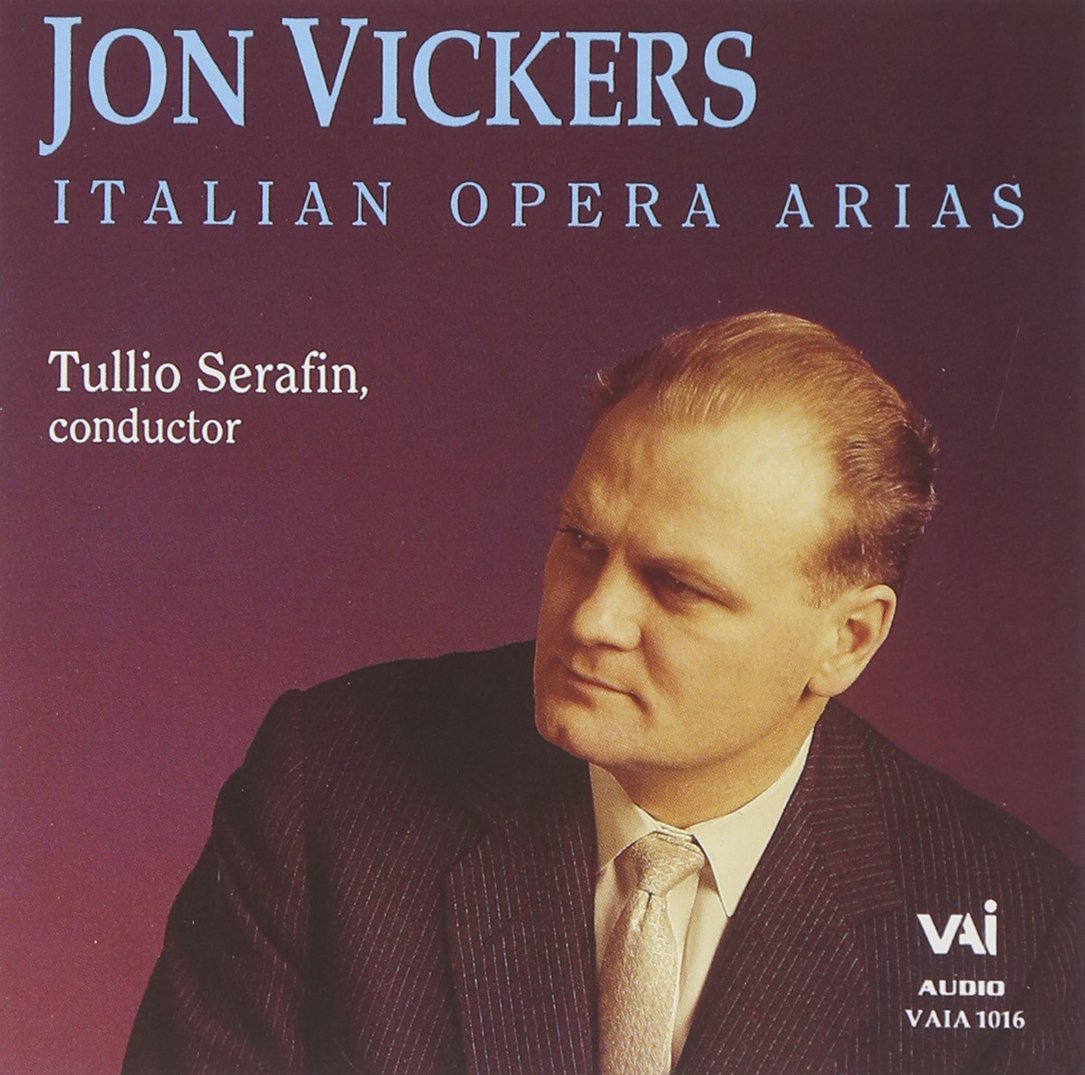
Jon Vickers – Italian Opera Arias

713njx42iel._sl1085_

Now this is great singing.

In the 1993 notes that accompany this re-issue of the one recital record Jon Vickers ever made, Vickers says,

At the time of the Italian Arias recording the field of opera was a totally different world than today. One sought to prove oneself worthy of association with the opera houses, general administartors, conductors, producers and singers one admired – even was in awe of. There was a humbling consciousness of the great history of places like the Metropolitan Opera, the Royal Opera House, Covent Garden, La Scala, Bayreuth, Vienna and Salzburg. Emphasis was upon delving as deeply as possible into the psychological depths of the text illuminated by the genius of the composer’s music. To dare to indulge any particular personal ability was to invite derision from colleagues and thunderous disapproval by public and press alike as being in bad taste and imposing of oneself upon a great work of art.

To be honest, I’ve listened to plenty of live performances from those days when bad taste and personal indulgence brings the house down, but his statement does give you a snapshot into the way the man worked, of his seriousness and dedication to his art.

This recital disc was recorded at the same time as his first recording of Otello under Tullio Serafin, when his only Wagnerian role was Siegmund, and you were more likely to hear him as Riccardo in Un Ballo in Maschera, Radames, Canio or Don Carlo. Later of course he want on to tackle Tristan and Parsifal, though he never sang Siegfried, and he dropped out of scheduled performances of Tannhäuser at Covent Garden, due to his religious scruples, saying he could not empathise with the character and that, in any case, the opera was blasphemous in character.

First impressions when listening to this disc are of the sheer size of the voice, and the power – a power that can be reined back to a merest pianissimo, then unleashed at will, like an organist pulling out all the stops. The other is intensity. Whether singing gently or loudly, there is a concentration and intensity that makes each short aria into a mini monodrama, and an ability to focus in on the meaning of each word and note. Nothing is taken for granted, nothing thrown away.

From a purely vocal point of view, it was still a very beautiful instrument back in 1961, and an aria like Cielo e mar is sung not only with golden tone, but with a true sense of wonder, and a way of pulling in and out of full voice that never destroys the long legato line.

Where many Italian tenors will add extraneous sobs and aspirates to indicate emotion, particularly in an aria like Federico’s Lament from L’Arlesiana, Vickers achieves an even deeper vein of emotion by never straying from the written notes, but simply (as if it was simple) intensifying his sound. In this he ressembles Callas, whom he revered so much having been Giasone to her Medea on many occasions.

One of the stand out tracks on this recital for me is Chénier’s Un di all’azzurro spazio delivered with mounting passion, but also somehow giving us a sense of the intellectual in the man. Canio suffers like no other, and yet he doesn’t have to break down in sobs at the end to make us feel it. His Otello developed into one of the towering creations of his, or any other, age, but even here, with the arias taken out of context, he conveys all the man’s pain and suffering.

Listening to this recital today at a distance of some years has been a peculiarly emotional experience. Jon Vickers was, and remains, unique, and we are unlikely to hear his ilk again.

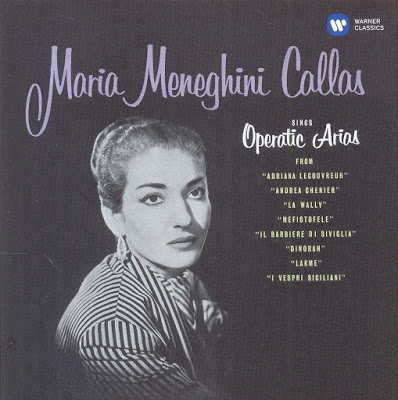
Maria Meneghini Callas Sings Operatic Arias

91epg5zapfl-_sl1465_

Recorded 17-18, 20-21 September 1954, Watford Town Hall, London

Producer: Walter Legge, Balance Engineer: Robert Beckett

This recital, the second Callas recorded for EMI, was designed to show off her versatility, so we get one side of verismo, and one of coloratura, with Boito’s L’altra notte from Mefistofele bridging the gap. It caused quite a stir at the time. The coloratura side was of material more associated with singers like Galli-Curci and Pagliughi; the verismo items more likely to be the preserve of Ponselle and Muzio, or Callas’s contemporary, Tebaldi. There is no doubt that Tebaldi could not have attempted any of the coloratura items on the disc and the gauntlet was effectively laid down. The range too is phenomenal, and takes her up to a high E natural (in the Vespri aria, and the Bell Song), a note unthinkable from a soprano who could bring the power she does to an aria like La mamma morta.

Of the operas represented, Callas had only sung Mefistofele and I Vespri Siciliani on stage at that time, though she would go on to sing Rosina in Il Barbiere di Siviglia (and make a very successful studio recording) and Maddalena in Andrea Chenier. But, as is her wont, even in isolation, Callas is able to enter fully into the character and sound world of each character that she is singing.

She starts with two of Adrianna’s solos from Adrianna Lecouvreur, a role that would no doubt have suited her dramatic gifts down to the ground, though, truth to tell, the opera is pretty tawdry stuff. I have the recording with Scotto and Domingo, who make the very best case for it, but I still have little time for it. That said, Callas is brilliant at conveying Adrianna’s humility in the first aria, her pain and sadness in the second. Her recording of La mamma morta is well known, and became quite a hit after it was featured in the Tom Hanks Oscar winning movie Philadelphia. Notable is the way Callas’s tone colour matches that of the cello in the opening bars, and the way she carefully charts its mounting rapture. Some may prefer a richer, fuller sound. None have sung it with such intensity.

Ebben ne andro lontana, a glorious performances, is full of aching loneliness, its climax solid as a rock, but the prize of this first side is without doubt the crepuscular beauty of Margherita’s L’altra notte from Boito’s Mefistofele, a sort of mini mad scene, which Callas fills with a wealth of colour and imagination. One notes the blank, colourless tone at L’aura e fredda, even more drained and hopeless on its repeat, the baleful sound of her chest voice on E la mesta anima mia; and does any other singer so accurately encompass those coloratura flights of fancy as her soul takes wing on Vola, vola? This is the stuff of genius.

The second side also has its attractions. Rosina’s Una voce poco fa is a mite slower than it was to become in the studio set, but Callas’s ideas on the character are perfectly formed, and she already uses that explosive Ma to underline Rosina’s less than docile temperament. Her runs, scales and fioriture are as elastic as ever, and the little turns on the final faro giocar have to be heard to be believed.

The Dinorah aria is a rather empty piece and I sometimes wonder why she even bothered with it. There are some magical echo effects and her singing is wonderfully fleet and accurate, but it’s not a favourite of mine. I’m not a big fan of the Bell Song either, to be honest. Callas lavishes possibly more attention on it than it’s worth, but in so doing at least makes it a little more interesting than the birdlike warblings we usually get. The opening has a mesmeric , almost improvisational air about it, and the bell imitations are clear and true. I remember once playing this track at a friend’s place one summer evening, the window open, while a bird (I have no idea what it was) sang for all its worth on a branch just outside.  It was as if the bird was singing in response. The high E she sings at its climax is clean as a whistle, but it does sound like the very extreme of her range. Best of all the coloratura items is her breezy, elegantly sung Merce, dilette amiche from Verdi’s I Vespri Siciliani, which is lovely in every way and ends on another epic high E.