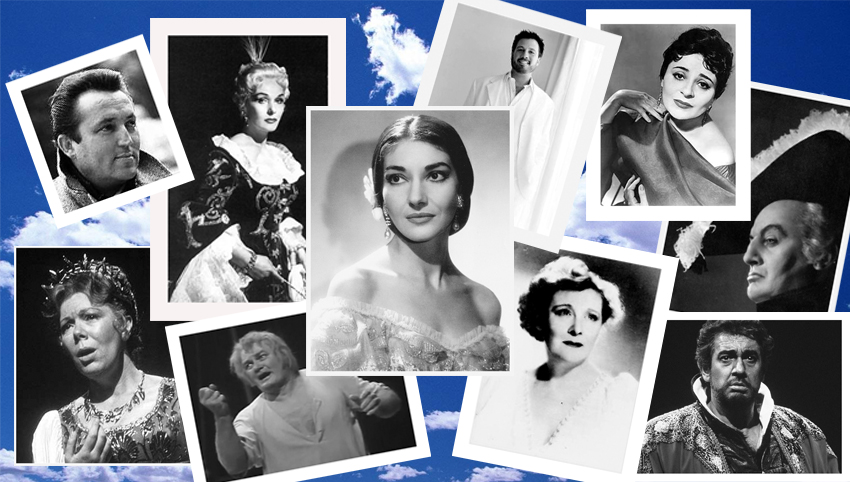
I hesitate to call this a list of recommended opera recordings, because people’s tastes are so different, but it is a list of my preferred recordings and, as such, it is obviously influenced by my liking for certain artists. It is also derived from over 50 years of listening to and collecting opera recordings and includes recordings that are or were once available on LP and CD, because, despite the current trend for everything to be downloaded onto a computer, I still prefer to listen to CDs. In some cases I have included more than one recording of a piece, usually because I can’t decide which one I like best. I’m also pretty sure that, with a couple of exceptions. all my chosen recordings date from the LP era onwards.
A word about Wagner. I am not really a Wagnerite. I enjoy Wagner from time to time, but I find that, more than with other composers, the sound of the orchestra takes precedence for me, which is why all the recordings I have chosen are studio recordings in decent stereo sound, which thererore excludes the names of many great Wagnerians of the past, such as Flagstad, Leider, Melchior, Furtwängler etc.
No doubt many of my readers will disagree with some of my choices, but I think it’s a pretty sound list. Peruse at your leisure.
Barber: Vanessa – Steber, Elias, Resnik, Gedda, Tozzi; Mitropoulos
Bartók: Bluebeard’s Castle – Ludwig, Berry; Kertesz
Beethoven: Fidelio – Dernesch, Donath, Vickers, Kéléman, Ridderbusch; Karajan
Bellini: I Capuleti e I Montecchi – Sills, Baker, Gedda, Herincx, Lloyd; Patané
Bellini: Norma – Callas, Simionato, Del Monaco, Zaccaria; Votto La Scala 1955 (live) or Callas. Ludwig, Corelli, Zaccaria; Serafin (studio)
Bellini: Il Pirata – Callas, Ferraro, Ego; Rescigno New York 1959 (live) -or- Caballé, Martí, Cappuccili; Gavazzeni (studio)
Bellini: I Puritani – Callas, Di Stefano, Panerai, Rossi-Lemeni; Serafin
Bellini: La Sonnambula –Callas, Valletti, Modesti; Bernstein la Scala 1955 (live) or Callas, Monti, Zaccaria; Votto/Cologne 1957 (live) or Callas, Monti, Zaccaria; Votto (studio)
Berlioz: Béatrice et Bénedict – Eda-Pierre, Baker, Watts, Tear, Allen, Lloyd, Bastin; Davis
Berlioz: Benvenuto Cellini – Eda-Pierre, Berbié, Gedda, Massard, Bastin, Soyer; Davis
Berlioz: La damnation de Faust – Veasey, Gedda, Bastin, Van Allan; Davis
Berlioz: Les Troyens – Lindholm, Veasey, Vickers, Glossop; Davis
Bizet: Carmen – Callas, Guiot, Gedda, Massard; Prêtre
Bizet: Les pêcheurs de perles – Cotrubas, Vanzo, Sarabia; Prêtre
Britten: Billy Budd – Langridge, Keenlyside, Tomlinson; Hickox
Britten: Gloriana – Barstow, Kenny, Jones, Langridge, Opie, Summers; Mackerras
Britten: A Midsummer Night’s Dream – Watson, Gomez, Jones, Bowman, Hall, Herford, Maxwell; Hickox
Britten: Peter Grimes – Watson, Pears, Pease; Britten and Harper, Vickers, Summers; Davis
Britten: The Rape of Lucretia – Harper, Baker, Pears, Drake, Luxon, Shirley-Quirk; Britten
Britten: The Turn of the Screw – Vyvyan, Cross, Pears, Mardikian; Britten
Charpentier: Louise – Cotrubas, Berbié, Domingo, Bacquier; Prêtre and Vallin, Lecouvreur, Thill, Pernet; Bigot (abridged)
Chausson: Le roi Arthus – Zylis-Gara, Winbergh, Quilico; Jordan
Cherubini: Medea – Callas, Carron, Berganza, Vickers, Zaccaria; Rescigno, Dallas 1958 (live) or- Callas, Nache, Barbieri, Penno, Modesti; Bernstein, La Scala 1953 (live). If studio/stereo is a must then Callas, Scotto, Pirazzini, Picchi, Modesti; Serafin
Cilea: Adriana Lecouvreur – Scotto, Obrasztsova, Domingo, Milnes; Levine
Debussy: Pelléas et Mélisande – Joachim, Cernay, Jansen, Etchverry, Cabanet; Désormiére (mono) and Von Stade, Denize, Stilwell, Van Dam, Raimondi; Karajan (stereo)
Délibes: Lakmé – Mesplé, Burles, Soyer; Lombard
Delius: A Village Romeo and Juliet – Field, Davies, Hampson; Mackerras
Donizetti: Anna Bolena – Callas. Simionato, Raimondi, Rossi-Lemeni; Gavazzeni, La Scala 1957 (live) (Divina transfer, avoid Warner and EMI) It’s cut of course, but no other performance satisfies me.
Donizetti: Don Pasquale – Saraceni, Schipa, Poli, Badini; Sabajno (mono). If stereo is a must then Freni, Winbergh, Nucci; Bruscantini; Muti
Donizetti: L’Elisir d’amore – Cotrubas, Domingo, Wixell, Evans; Pritchard
Donizetti: La fille du régiment – Sutherland, Sinclair, Pavarotti, Malas; Bonynge
Donizetti: Lucia di Lammermoor – Callas. Di Stefano, Panerai, Zaccaria; Karajan, Berlin 1955 (live) and Callas, Tagliavini, Cappuccilli, Ladysz; Serafin (studio stereo/Pristine remaster).
Donizetti: Lucrezia Borgia – Caballé, Berbié, Vanzo, Paskalis; Perlea, New York 1965 (live) No studio recording.
Donizetti: Maria Stuarda – Tinsley, Baker, Erwen, Garrard, Du Plessis; Mackerras, ENO 1973 (live in English) or Caballé, Verrett, Garaventa, Arié, Fioravanti; Cillario, La Scala 1971 (live). No studio recording.
Donizetti: Roberto Devereux – Caballé, Marsee, Carreras, Sardinero, Furlanetto; Rudel, Aix-en-Provence, 1977 (live)
Dvořák: Rusalka – Fleming, Zajick, Heppner, Havlata; Mackerras
Enescu: Oedipe – Hendricks, Lipovšek, Gedda, Van Dam; Foster
Fauré: Pénélope – Norman, Taillon, Vanzo, Huttenlocher, Van Dam; Dutoit
Giordano: Andrea Chenier – Scotto, Domingo, Milnes; Levine
Gluck: Orfeo – Baker, Speiser, Gale; Leppard
Gounod: Faust – De Los Angeles, Gorr, Gedda, Blanc, Christoff; Cluytens 1958 (stereo)
Gounod: Roméo et Juliette – Gheorghiu, Alagna, Keenlyside, Van Dam, Fondary; Plasson
Handel: Hercules – Dawson, Otter, Daniels, Croft, Saks: Minkowski
Handel: Giulio Cesare – Masterson, Baker, Jones, Walker, Bowman, Tomlinson: Mackerras (in English)
Handel: Rinaldo – Organasova, Bartoli, Fink, Daniels, Taylor, Finley; Hogwood
Handel: Theodora – Upshaw, Hunt Lieberson, Daniels, Croft: Christie
Humperdinck: Hänsel und Gretel – Schwarzkopf. Grümmer, Von Islovay, Schürhoff, Metternich: Karajan
Janáček: The Cunning Little Vixen – Popp, Randova, Jedlicka; Mackerras
Janáček: Jenůfa, – Söderström, Popp, Randova, Ochmann, Dvorsky; Mackerras
Janáček: Kat’a Kabanova – Söderström, Kniplova, Dvorsky; Mackerras
Janáček: Vĕc Makropulos – Söderström, Dvorsky, Blachut; Mackerras
Korngold; Die tote Stadt – Neblett, Kollo, Prey, Luxon; Leinsdorf
Lehár: Das Land des Lächelns – Schwarzkopf, Loose, Gedda, Kunz: Ackermann
Lehár: Die lustige Witwe – Schwarzkopf, Steffek, Gedda, Wächter, Knapp; von Matačić
Leoncavallo: Pagliacci – Callas, Di Stefano, Monti, Gobbi, Panerai; Serafin
Mascagni: L’Amico Fritz – Freni, Pavarotti, Sardinero; Gavazzeni
Mascagni: Cavalleria Rusticana – Callas, Di Stefano, Panerai; Serafin
Massenet: Cendrillon – Welting, Von Stade, Berbié, Gedda, Bastin; Rudel
Massenet: Manon – De Los Angeles, Legay, Dens; Monteux
Massenet: Thaîs – Fleming, Sabbatini, Hampson; Abel
Massenet: Werther – Gheorghiu, Pétibon, Alagna, Hampson; Pappano or Von Stade, Buchanan, Carreras, Allen; Davis and Vallin, Féraldy, Thill, Rogue; Cohen
Motemezzi: L’Amore Dei Tre Re – Moffo, Domingo, Elvira. Siepi; Santi
Monteverdi: L’incoronazione di Poppea – Galli, Meijer, Marmeli; Cavina
Monteverdi: L’Orfeo – Cioffi, Gens, Dessay, Bostridge; Haîm
Mozart: La Clemenza di Tito – Baker, Popp, Minton, Von Stade, Burrows; Davis
Mozart: Cosi fan Tutte – Schwarzkopf, Steffek, Ludwig, Kraus, Taddei, Berry; Böhm
Mozart; Don Giovanni – Sutherland, Schwarzkopf, Sciutti, Alva, Wächter, Taddei, Cappuccilli, Frick; Giulini
Mozart: Die Entführung aus dem Serail – Köth. Schädle, Wunderlich, Lenz, Böhme; Jochum
Mozart: Le Nozze di Figaro – Schwarzkopf, Moffo, Cossotto, Taddei, Wächter, Cappucilli; Giulini
Mozart: Die Zauberflote – Lear, Peters, Wunderlich, Fischer-Dieskau, Crass; Böhm or for HIP – Mannion, Dessay, Blochwitz, Scharinger, Hagen; Christie
Mussorgsky: Boris Godunov – Borodina, Vaneev, Galouzine; Gergiev
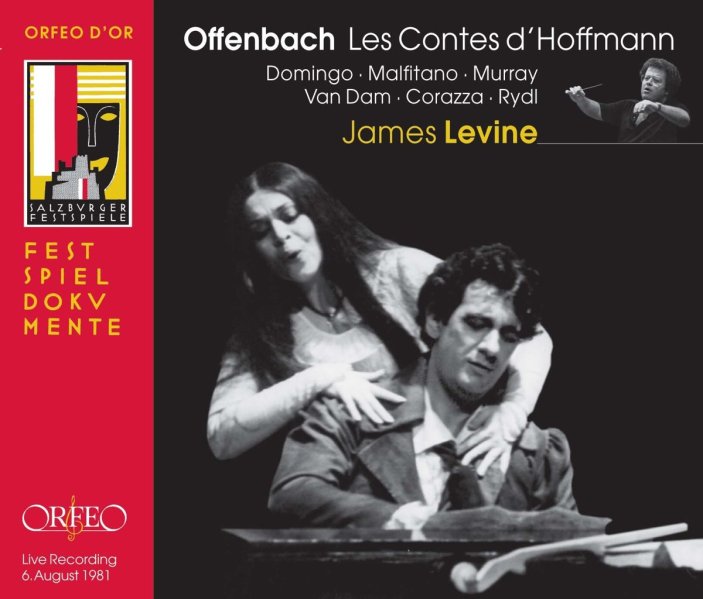
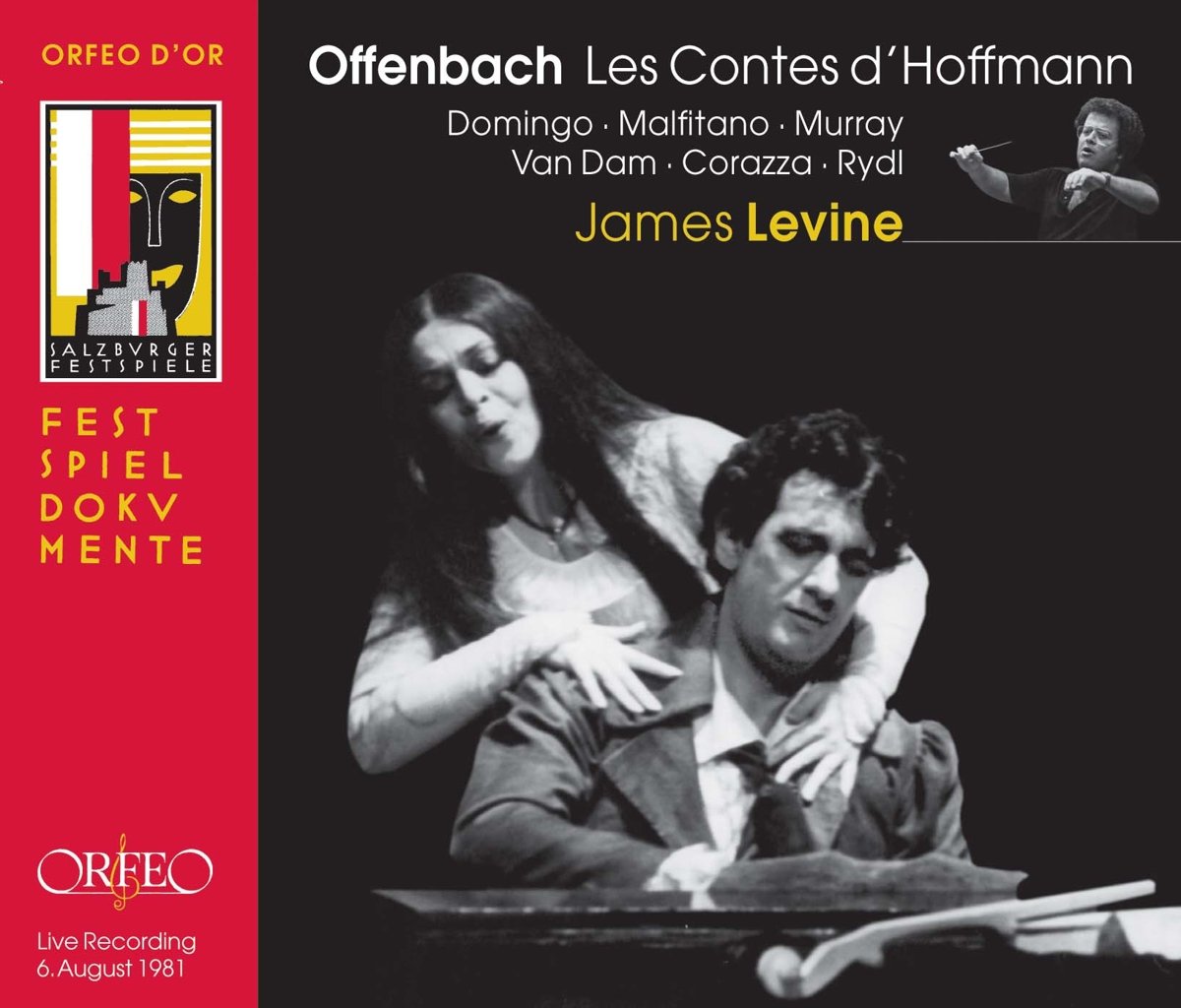
Offenbach: Les Contes D’Hoffman – Sutherland, Tourangeau, Domingo, Bacquier; Bonynge (studio) or Malfitano, Murray, Domingo, Van Dam; Levine (live)
Offenbach: Orphée aux Enfers – Mesplé, Rhodes, Sénéchal, Burles, Trempont; Plasson
Offenbach: La vie Parisienne – Mesplé, Crespin, Sénéchal, Bénoit, Trempont; Plasson
Ponchielli: La Gioconda – Callas, Barbieri, Amadini, Poggi, Silveri, Neri: Votto (mono) or Callas, Cossotto, Companeez, Ferraro, Cappuccilli, Vinco: Votto (stereo)
Poulenc: Dialogues des Carmélites – Duval, Crespin, Berton. Scharley, Gorr, Depraz, Finel; Dervaux
Puccini: La Boheme – De Los Angeles, Amara, Björling, Merrill, Tozzi: Beecham or Callas, Moffo, Di Stefano, Panerai, Zaccaria: Votto
Puccini: La Fanciulla del West – Neblett, Domngo, Milnes; Mehta
Puccini: Gianni Schicchi – De Los Angeles, Del Monte, Gobbi: Santini
Puccini: Madama Butterfly – Callas, Danieli, Gedda, Borriello; Karajan or De Los Angeles, Canali, Di Stefano, Gobbi: Gavazzeni or Scotto, Di Stasio, Bergonzi, Panerai: Barbirolli
Puccini: Manon Lescaut – Callas, Di Stefano, Fioravanti: Serafin
Puccini: La Rondine – Gheorghiu, Mula, Alagna, Mateuzzi, Rinaldi: Pappano
Puccini: Suor Angelica – De Los Angeles, Marimpietri, Barbieri: Serafin or Scotto, Cotrubas, Horne; Maazel
Puccini: Il Tabarro – Mas, Prevedi, Gobbi: Bellezza
Puccini: Tosca – Callas, Di Stefano, Gobbi: De Sabata
Puccini: Turandot – Callas, Schwarzkopf, Fernandi, Zaccaria: Serafin (mono) or Sutherland, Caballé, Pavarotti, Ghiaurov: Mehta (stereo)
Purcell: Dido and Aeneas – Clark, Baker, Sinclair, Herincx; Lewis
Ravel: L’enfant et les sortileges – Ogéas, Gilma, Collard, Berbié, Sénéchal, Rehfuss, Maurane; Maazel
Ravel: L’heure espahnole – Berbié, Sénéchal, Gireaudeau, Bacquier, Van Dam; Maazel
Rossini: Armida – Callas, Filippeschi, Albanese, Raimondi; Serafin (in atrocious sound, but essential for some of the most incredible dramatic coloratura singing you will ever hear)
Rossini: Il Barbiere di Siviglia – Callas, Alva, Gobbi, Ollendorff, Zaccaria: Galliera
Rossini: La Cenerentola – Baltsa, Araiza, Alaimo, Raimondi; Marriner
Rossini: Le comte Ory – Barabas, Sinclair, Oncina, Wallace: Gui
Rossini: Elisabetta, Regina, d’Inghilterra – Caballé, Masterson, Carreras, Benelli: Masini
Rossini: Guillaume Tell – Caballé, Mesplé, Taillon, Gedda, Cassinelli, Bacquier, Howell, Kovats; Gardelli
Rossini: L’Italiana in Algeri – Pace, Baltsa, Lopardo, Corbelli, Dara, Raimondi; Abbado
Rossini: Semiramide – Penda, Pizzolato, Osborne, Regazzo: Fogliani (complete) or Sutherland, Horne, Serge, Malas; Bonynge (abridged)
Rossini: Il Turco in Italia – Callas, Gardino, Gedda, Stabile, Calabrese, Rossi-Lemeni; Gavazzeni
Saint-Saens: Samson et Dalila – Baltsa, Carreras, Summers, Estes, Burchaladze; Davis
Shostakovich: Lady Macbeth of Mtsensk – Vishnevskaya, Gedda, Petkov; Rostropovich
J Strauss: Die Fledermaus – Schwarzkopf, Streich, Gedda, Krebs, Christ, Kunz; Dönch; Karajan
J Strauss: Eine Nacht in Venedig – Schwarzkopf, Loose, Gedda, Kunz; Ackermann
J Strauss: Wiener Blut – Schwarzkopf, Köth, Loose, Gedda, Kunz; Ackermann
J Strauss: Der Zigeunerbaron – Schwarzkopf, Köth, Burgsthaler-Schuster, Gedda, Prey, Kunz: Ackermann
R Strauss: Arabella – Varady, Donath, Dallapozza, Fischer-Dieskau; Sawallisch and Schwarzkopf, Felbermeyer, Gedda, Metternich; von Matacic (highlights)
R Strauss: Ariadne auf Naxos – Schwarzkopf, Streich, Seefried, Schock; Karajan
R Strauss: Capriccio – Schwarzkopf, Ludwig, Gedda, Wächter, Fischer-Dieskau, Hotter; Sawallisch
R Strauss: Elektra – Marton, Studer, Lipovsek, Winkler, Weikl; Sawallisch
R. Strauss: Die Frau ohne Schatten – Studer, Vintzing, Schwarz, Kollo, Muff: Sawallisch
R Strauss: Der Rosenkavalier – Schwarzkopf, Stich-Randall, Ludwig Wächter, Edelmann; Karajan
R Strauss: Salome – Welitsch, Thorborg, Jagel, Janssen; Reiner (live mono) and Behrens, Baltsa, Schmitt-Walter, Van Dam; Karajan (studio stereo)
Szymanowski: Król Roger – Szmytka, Langridge, Hampson; Rattle
Tchaikovsky: Eugene Onegin – Vishnevskaya, Avdeyeva, Lemeshev, Belov, Petrov; Khaikin
Tchaikovsky: Mazeppa – Gorchakova, Dyadkova, Larin, Leiferkus, Kotcherga; Järvi
Tchaikovsky: Queen of Spades – Guleghina, Borodina, Arkhipova, Grigorian, Chernov, Putilin; Gergiev
Verdi: Aida – Callas, Dominguez, Del Monaco, Taddei; de Fabritiis (live) and Callas, Barbieri, Tucker, Gobbi; Serafin (studio mono) or Caballé, Cossotto, Domingo, Cappuccilli; Muti (studio stereo) or Freni, Baltsa, Carreras, Cappuccilli; Karajan (studio stereo)
Verdi: Alzira – Cotrubas, Araiza, Bruson; Gardelli
Verdi: Aroldo – Caballé, Cecchele, Pons, Lebherz; Queler
Verdi: Attila – Deutekom, Bergonzi, Milnes, Raimondi; Gardelli
Verdi: Un Ballo in Maschera – Callas, Barbieri, Di Stefano, Gobbi; Votto (studio) and Callas, Simionato, Di Stefano, Bastianini; Gavazzeni (live)
Verdi: La Battaglia di Legnano – Ricciarelli, Carreras, Manuguerra, Ghiuselev; Gardelli
Verdi: Il Corsaro – Caballé, Norman, Carreras, Mastremei; Gardelli
Verdi: Don Carlo – Freni, Baltsa, Carreras, Cappuciolli, Ghiaurov, Raimondi; Karajan (4 acts in Italian), Caballé, Verrett, Domingo, Milnes, Raimondi, Giaotti; Giulini (5 acts in Italian) and Ricciarelli, Valentini-Terrani, Domingo, Nucci, Raimondi, Ghiaurov; Abbado (5 acts in French)
Verdi: I due Foscari – Ricciarelli, Carreras, Cappuccilli, Ramey; Gardelli
Verdi: Ernani – Price, Bergonzi, Sereni, Flagello; Schipeers
Verdi: Falstaff – Schwarzkopf, Moffo, Merriman, Barbieri, Alva, Panerai, Gobbi; Zaccaria; Karajan
Verdi: La Forza del Destino – Callas, Nicolai, Tucker, Tagliabue, Rossi-Lemeni; Serafin
Verdi: Un Giorno di Regno – Pagliughi, Cozzi, Oncina, Bruscantini, Capecchi, Dalmangas; Simonetto
Verdi: Giovanna d’Arco – Caballé, Domingo, Milnes; Levine
Verdi: I Lombardi – Sass, Lamberti, Di Cesare, Kovats; Gardelli
Verdi: Luisa Miller – Moffo, Verrett, Bergonzi, MacNeil, Tozzi, Flagello; Cleva or Caballé, Reynolds, Pavarotti, Milnes, Giaotti, Van Allan; Maag or Ricciarelli, Obraztsova, Domingo, Bruson, Howell, Ganzarolli; Maazel
Verdi; Macbeth – Callas, Penno, Mascherini, Tajo; De Sabata (live) and Verrett, Domingo, Cappuccilli, Ghiurov; Abbado (studio)
Verdi: I Masnadiert – Caballé, Bergonzi, Cappucilli, Raimondi; Gardelli
Verdi; Nabucco – Souliotis, Carral, Prevedi, Gobbi, Cava; Gardelli and (essential supplement, but awful sound) Callas, Pini, Sinimbergi, Bechi, Neroni; Gui
Verdi: Otello – Rysanek, Vickers, Gobbi; Serafin and Scotto, Domingo, Milnes; Levine
Verdi: Rigoletto – Callas, Lazzarini, di Stefano, Gobbi, Zaccaria; Serafin
Verdi: Simon Boccanegra – Freni, Carreras, Cappucilli, Ghiaurov, Van Dam; Abbado and De Los Angeles, Campora, Gobbi, Christoff, Monachesi; Santini
Verdi: Stiffelio – Sass, Carreras, Manugeurra, Ganzarolli; Gardelli
Verdi; La Traviata – Callas, Valletti, Zanasi; Rescigno, Covent Garden 1958 (live) and Cotrubas, Domingo, Milnes; Kleiber (istereo studio)
Verdi: Il Trovatore – Callas, Barbieri, Di Stefano, Panerai, Zaccaria; Karajan
Verdi: I Vespri Siciliani – Callas, Kokolis-Bardi, Mascherini, Christoff; Kleiber (live) and Arroyo, Domingo, Milnes, Raimondi; Levine
Wagner: Der Fliegende Holländer – Silja, Kozub, Unger, Adam, Talvela; Klemperer or Schech, Schock, Wunderlich, Fischer-Dieskau; Konwitschny
Wagner: Lohengrin – Grümmer, Ludwig, Thomas, Fischer-Dieskau, Frick; Kempe
Wagner: Die Meistersinger von Nürnberg – Janowitz, Fassbänder, Konya, Unger, Stewart, Hemsley, Crass; Kubelik
Wagner: Parsifal – Vejzovic, Hoffmann, Nimsgern, Van Dam, Moll; Karajan
Wagner: Der Ring des Nibelungen – Crespin, Dernesch, Janowitz, Veasey, Ludwig, Dominguez, Stolze, Vickers, Stewart, Brilioth, Fischer-Dieskau, Stewart, Kéeléman, Ridderbusch, Talvela; Karajan
Wagner: Tannhäuser – Dernesch, Ludwig, Kollo, Braun, Sotin; Solti
Wagner: Tristan und Isolde – Dernesch, Ludwig, Vickers, Berry, Ridderbusch; Karajan and Gray, Wilkens, Mitchinson, Joll, Howell; Goodall
Weber: Der Freischutz – Grümmer, Otto, Schock, Prey, Kohn, Frick; Keilberth




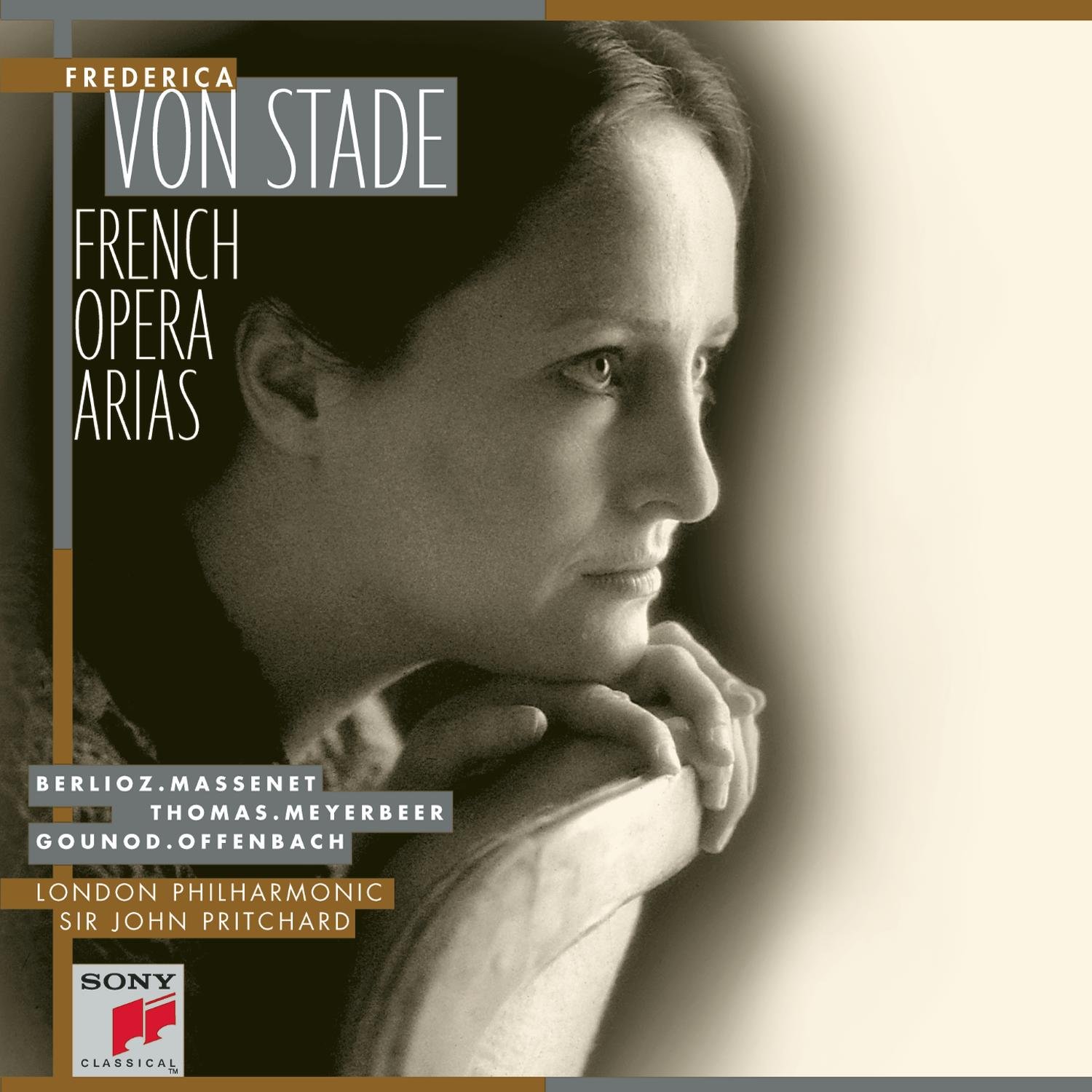
 Philip's Assortment Box